An immersive journey to the heart of human nature.
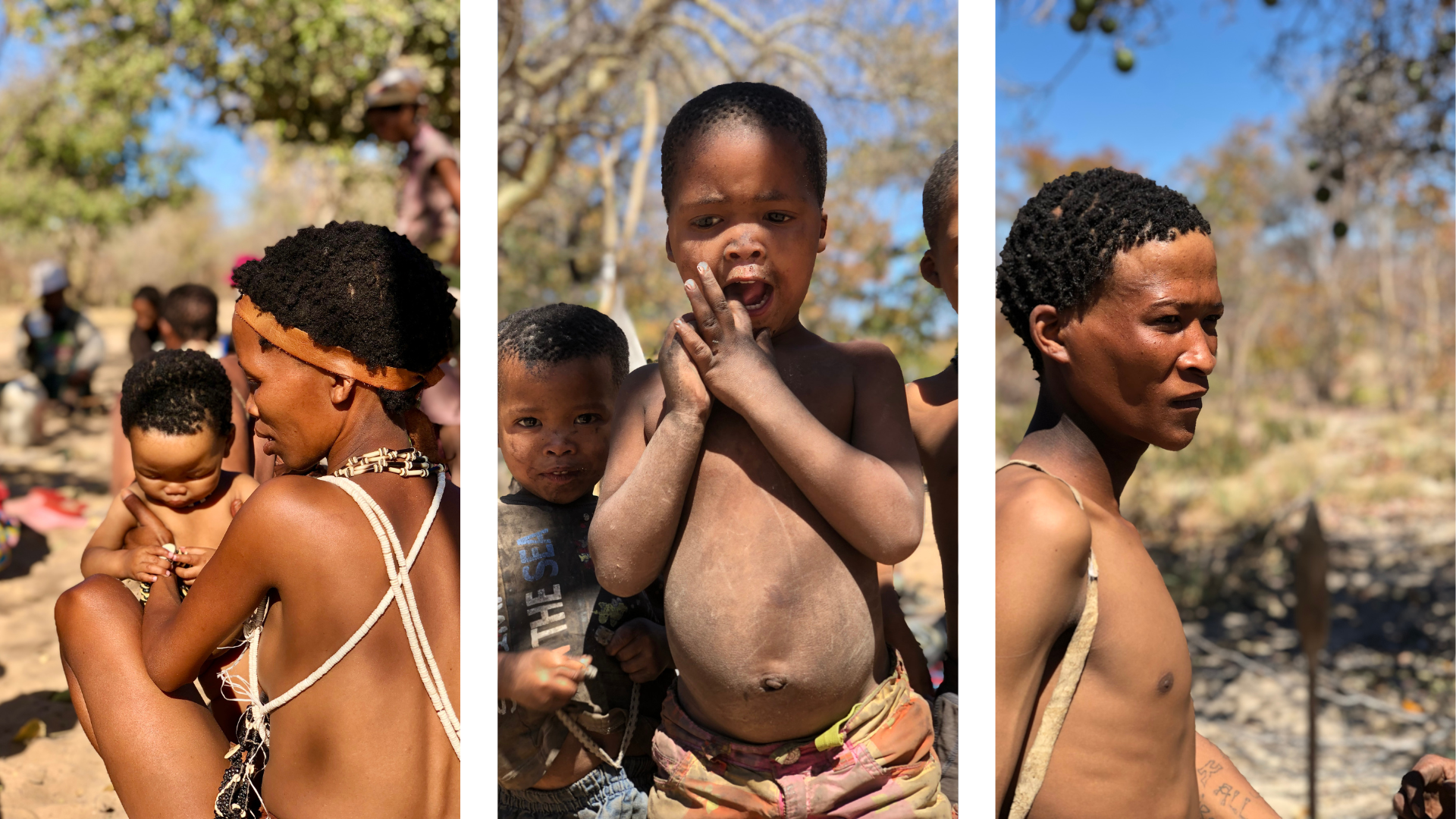
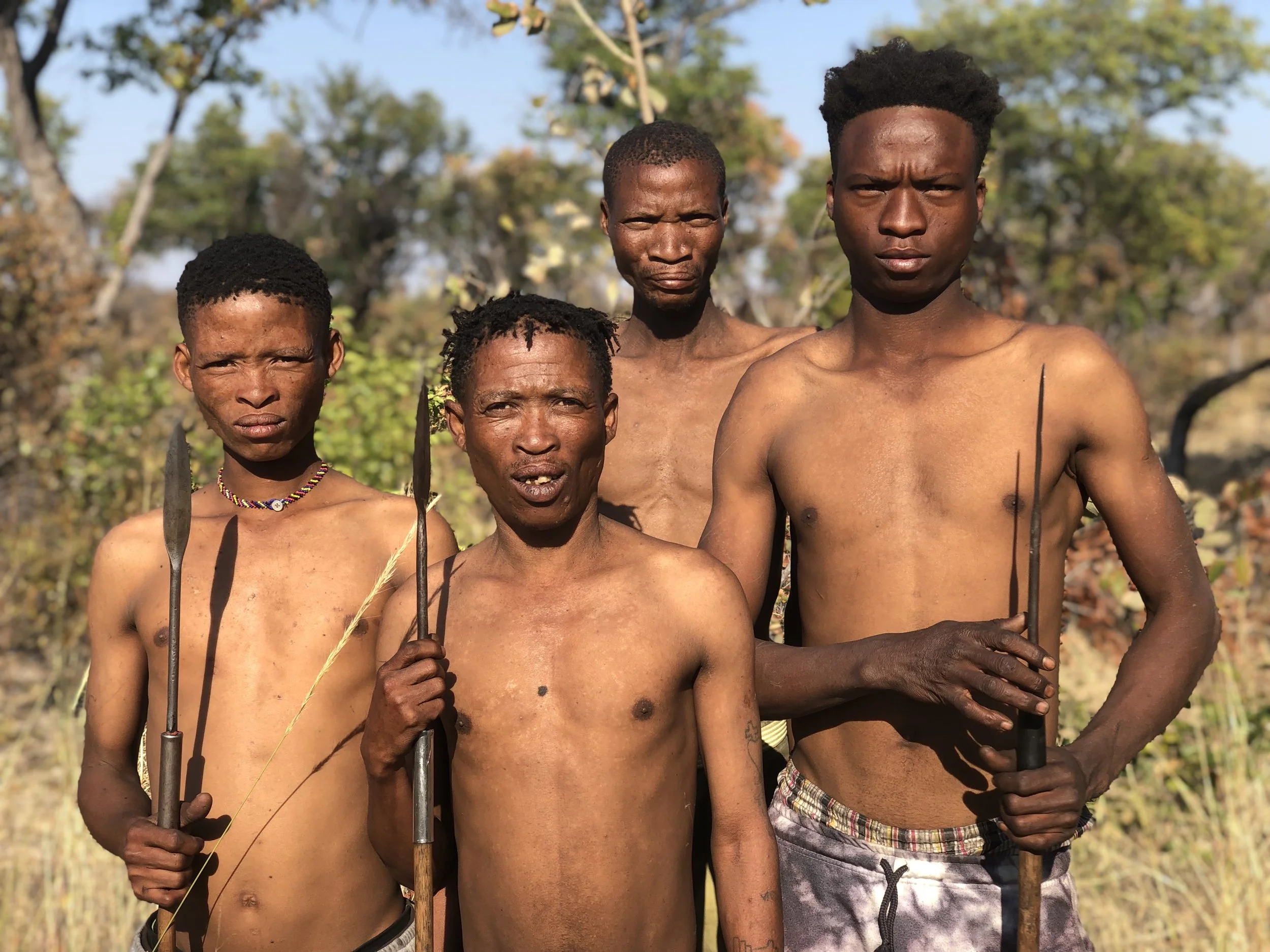
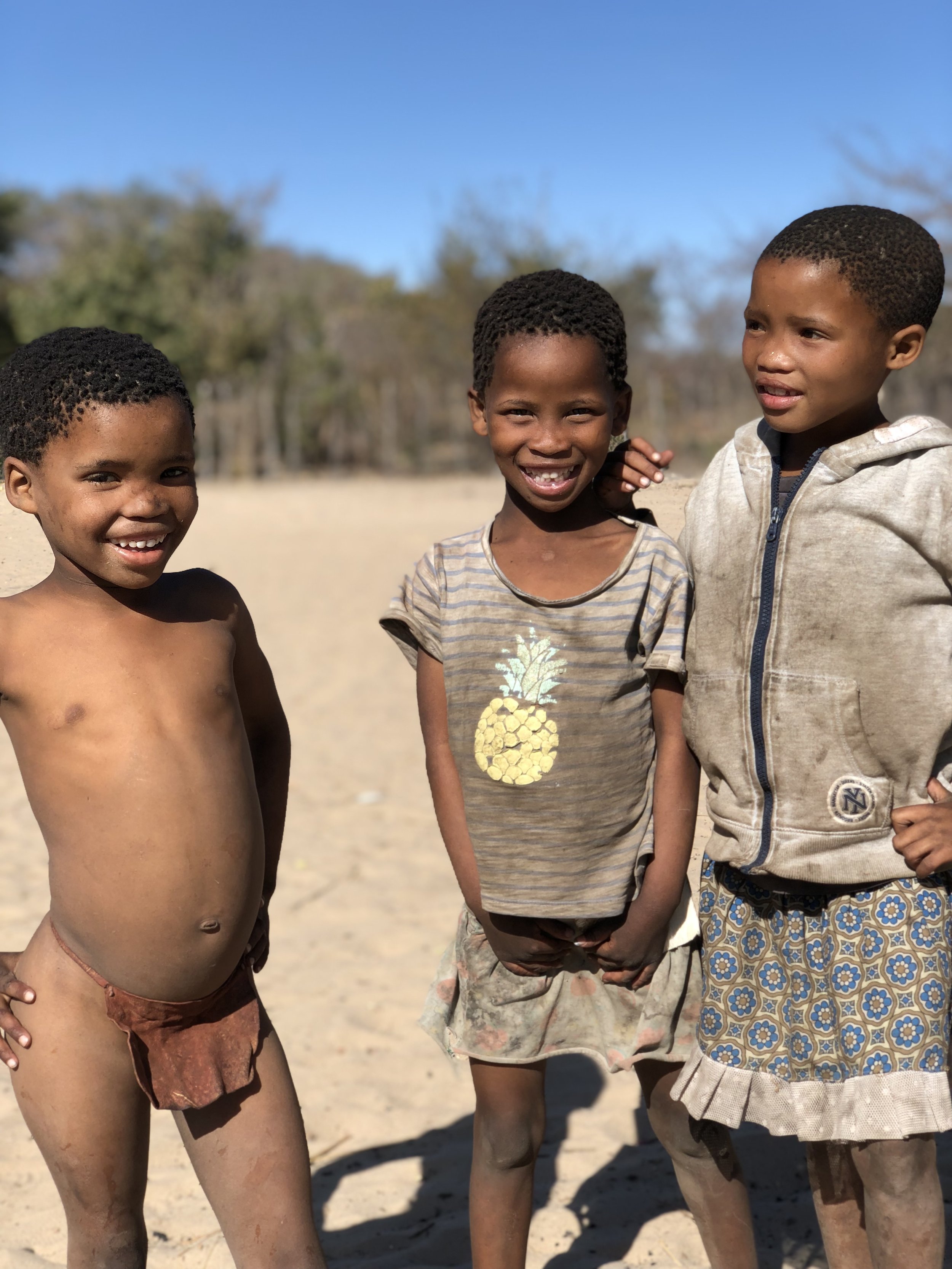
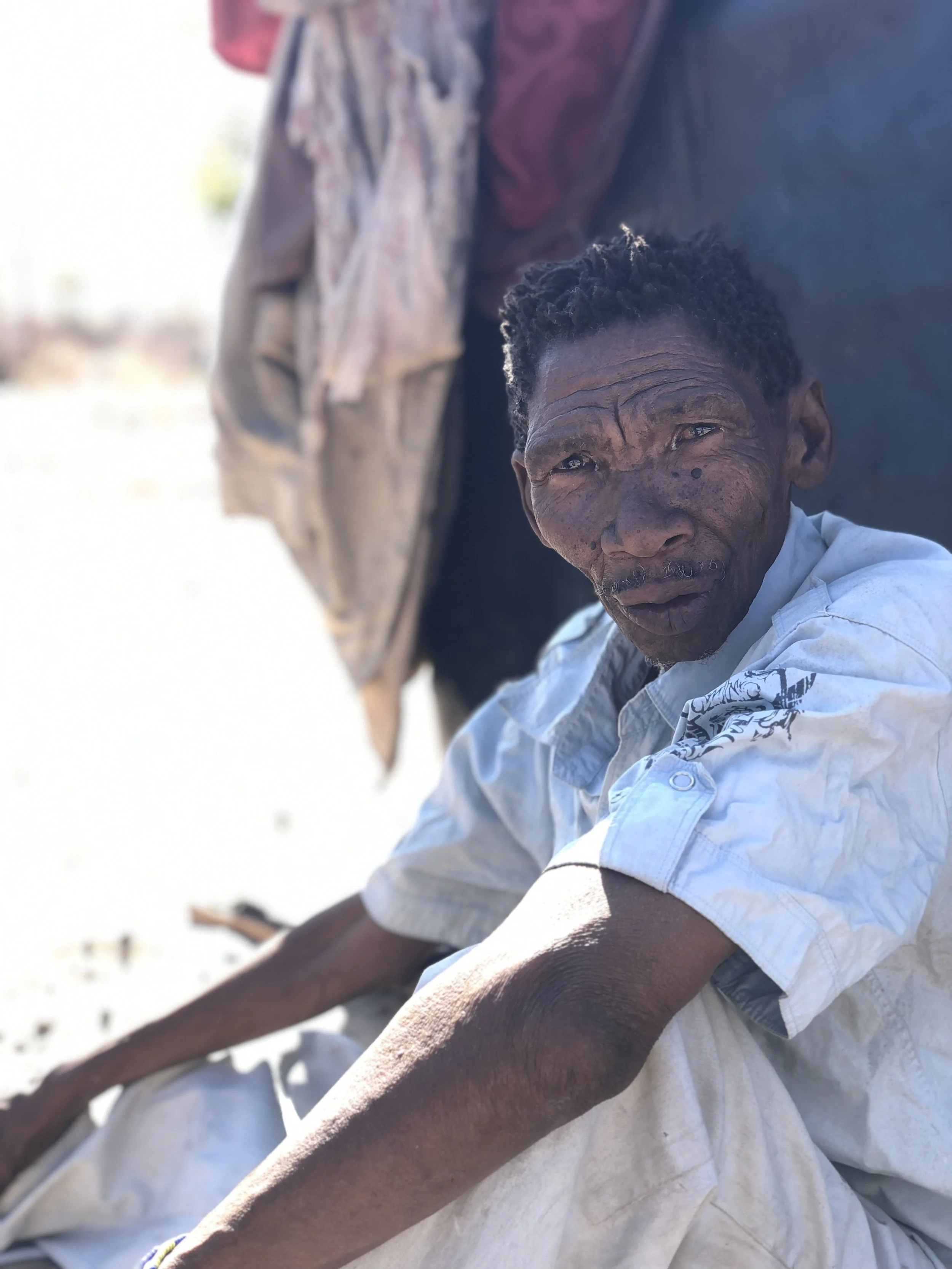
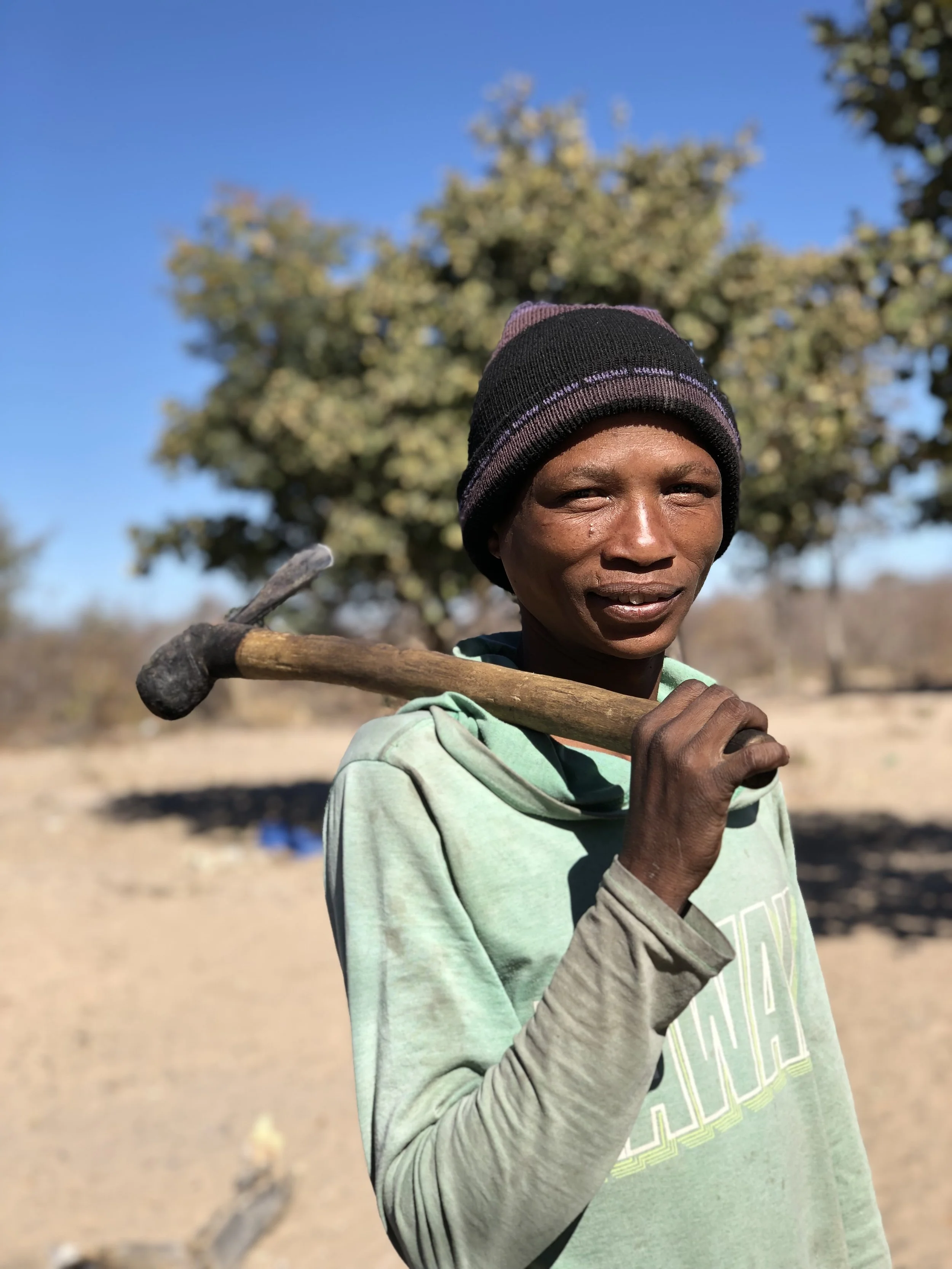
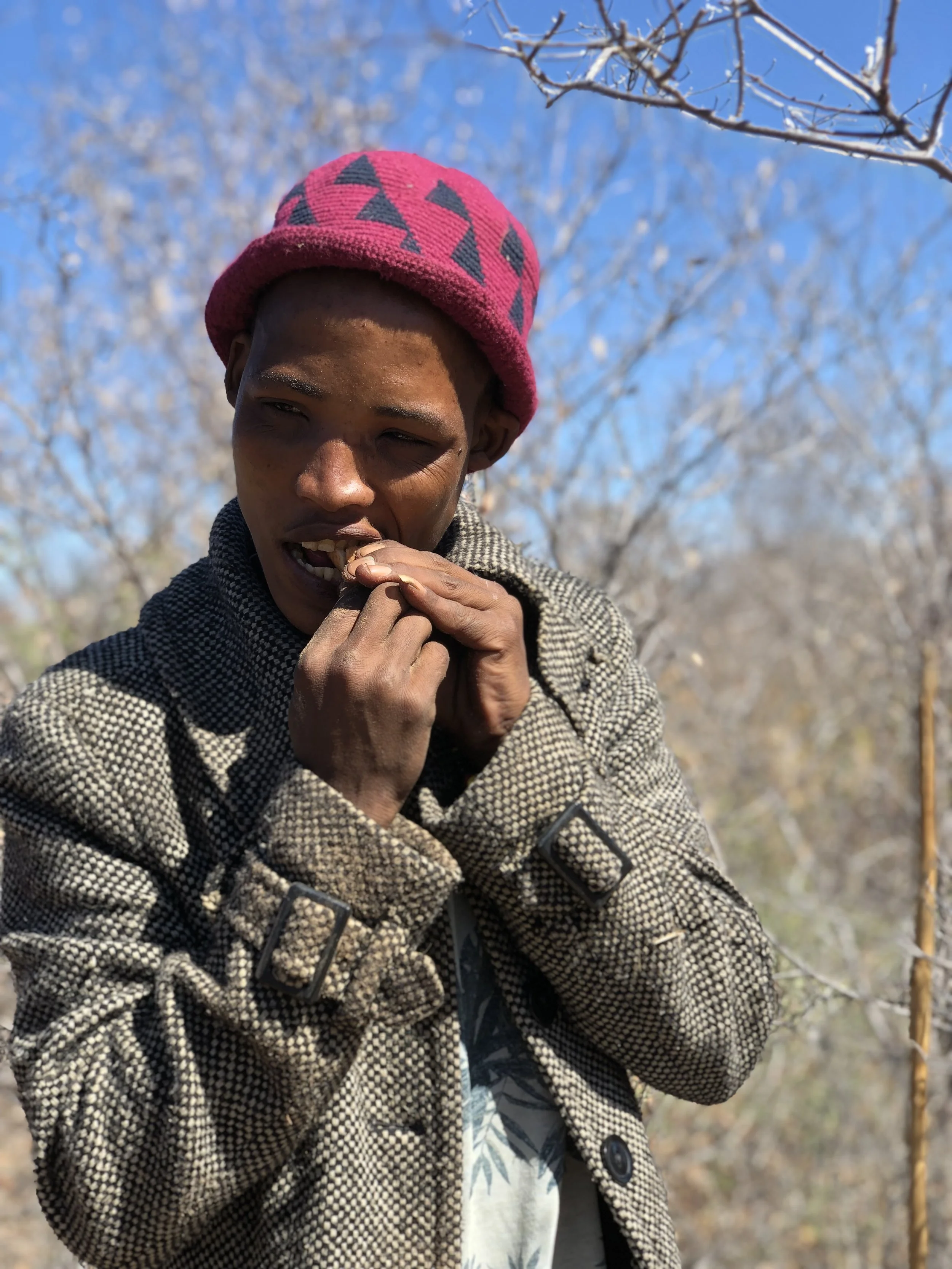
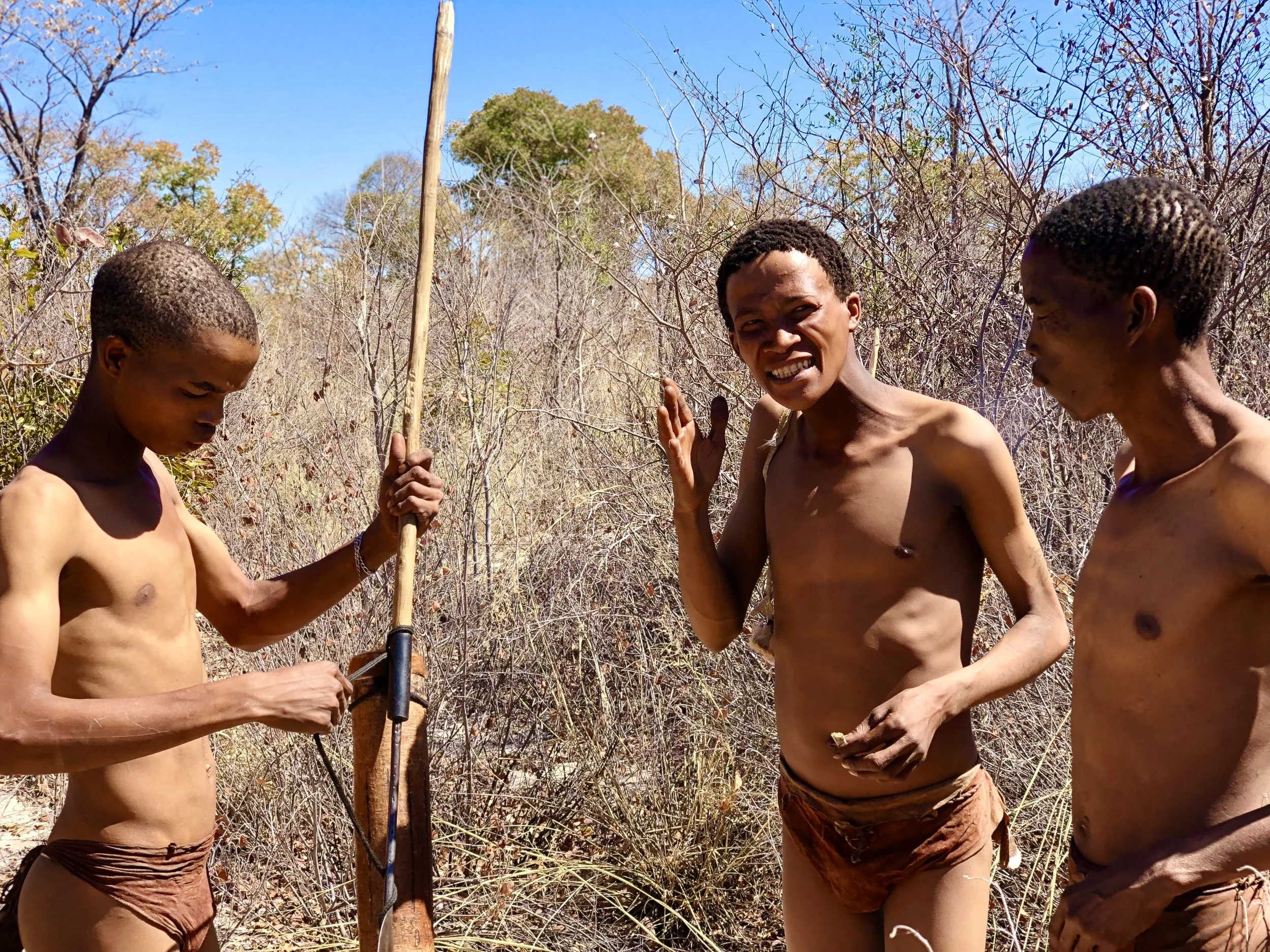
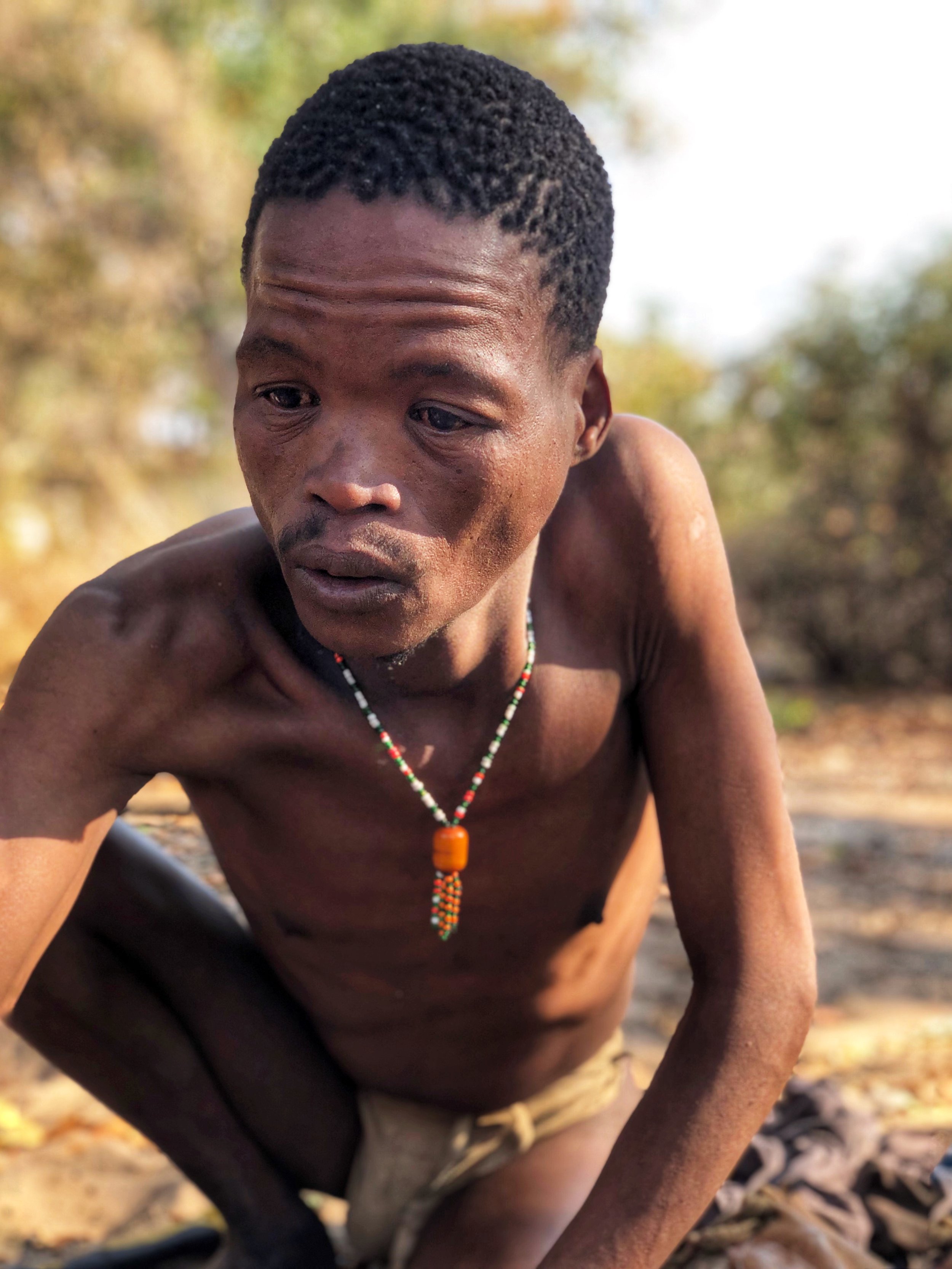
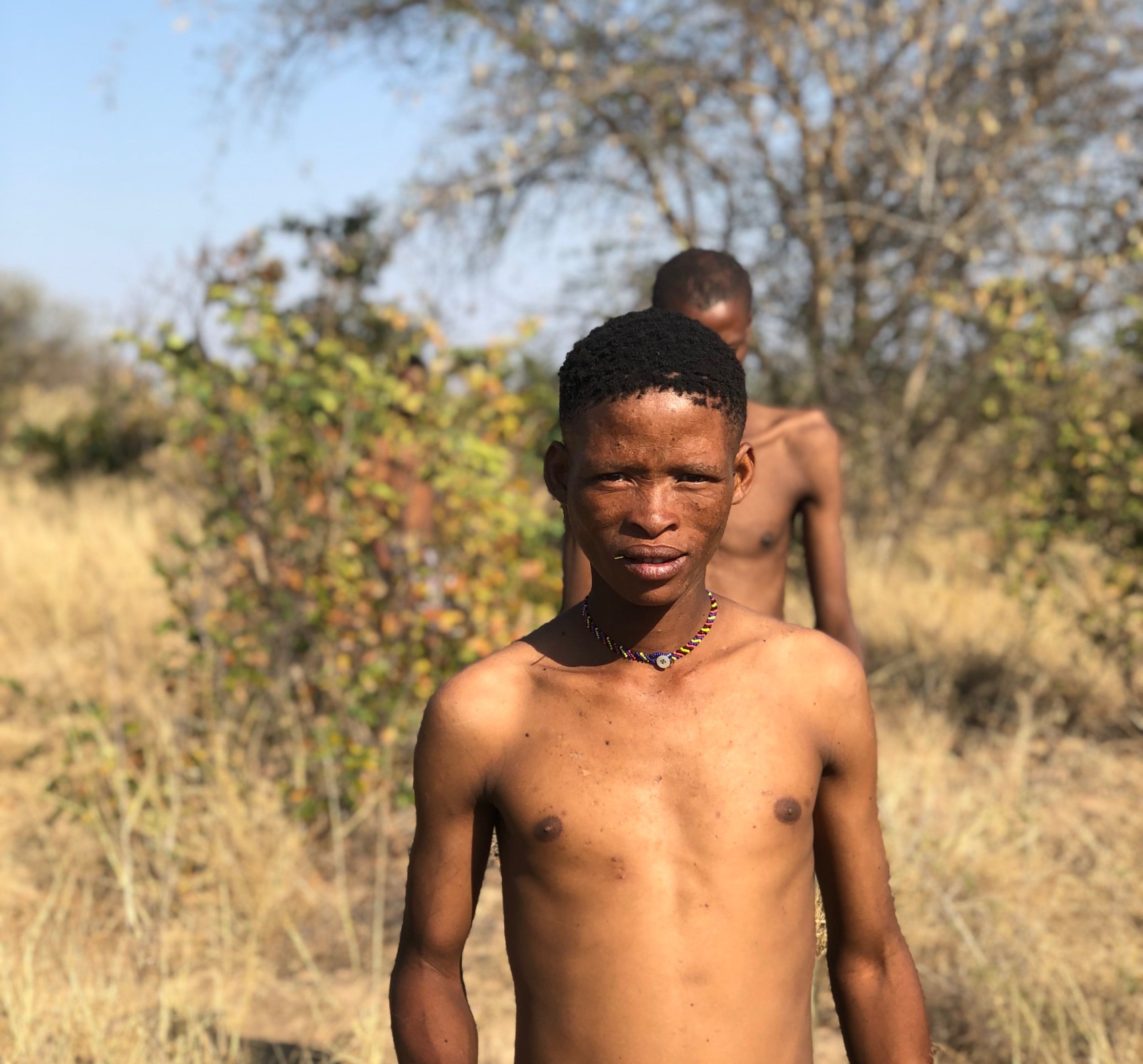
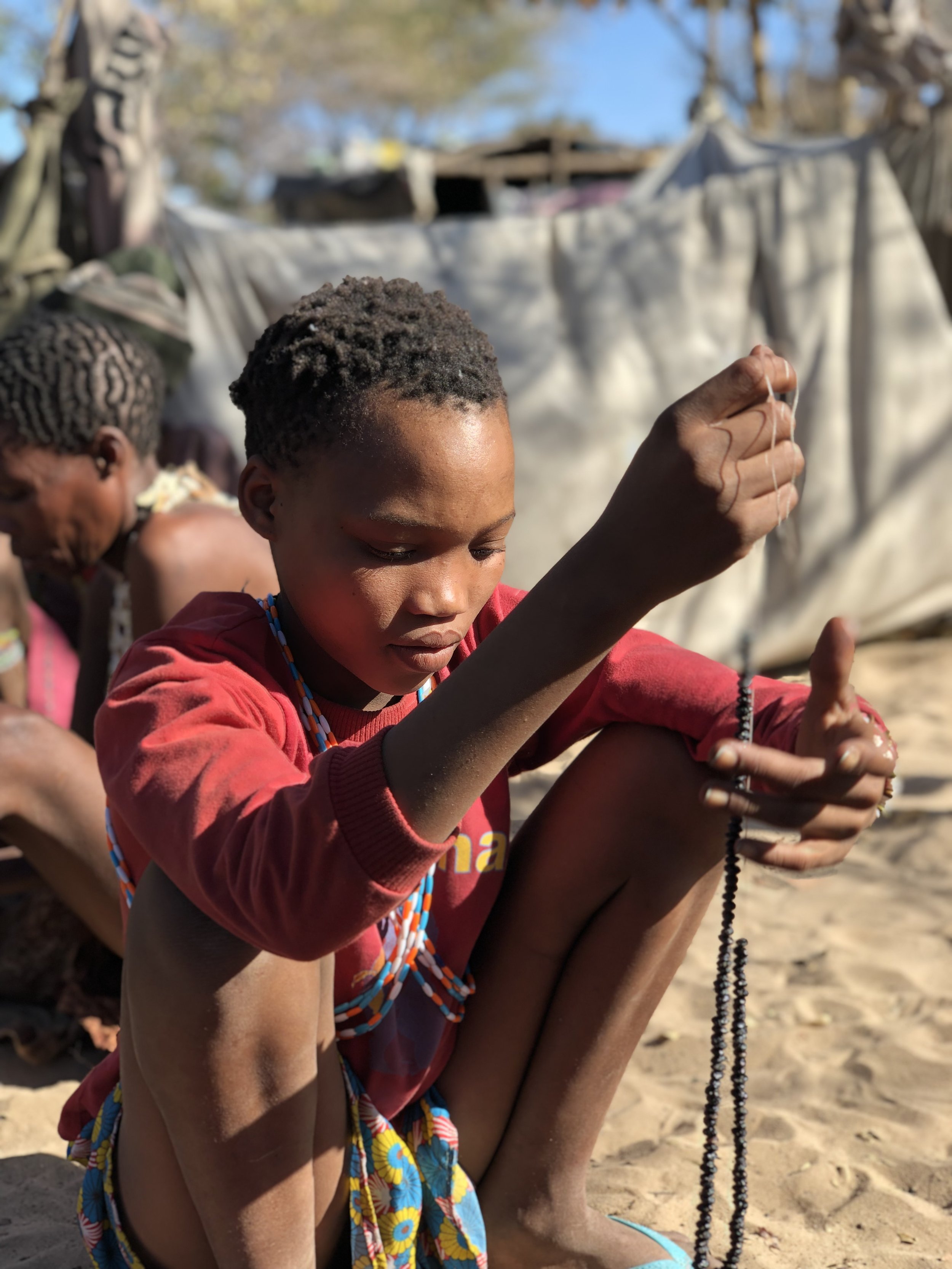
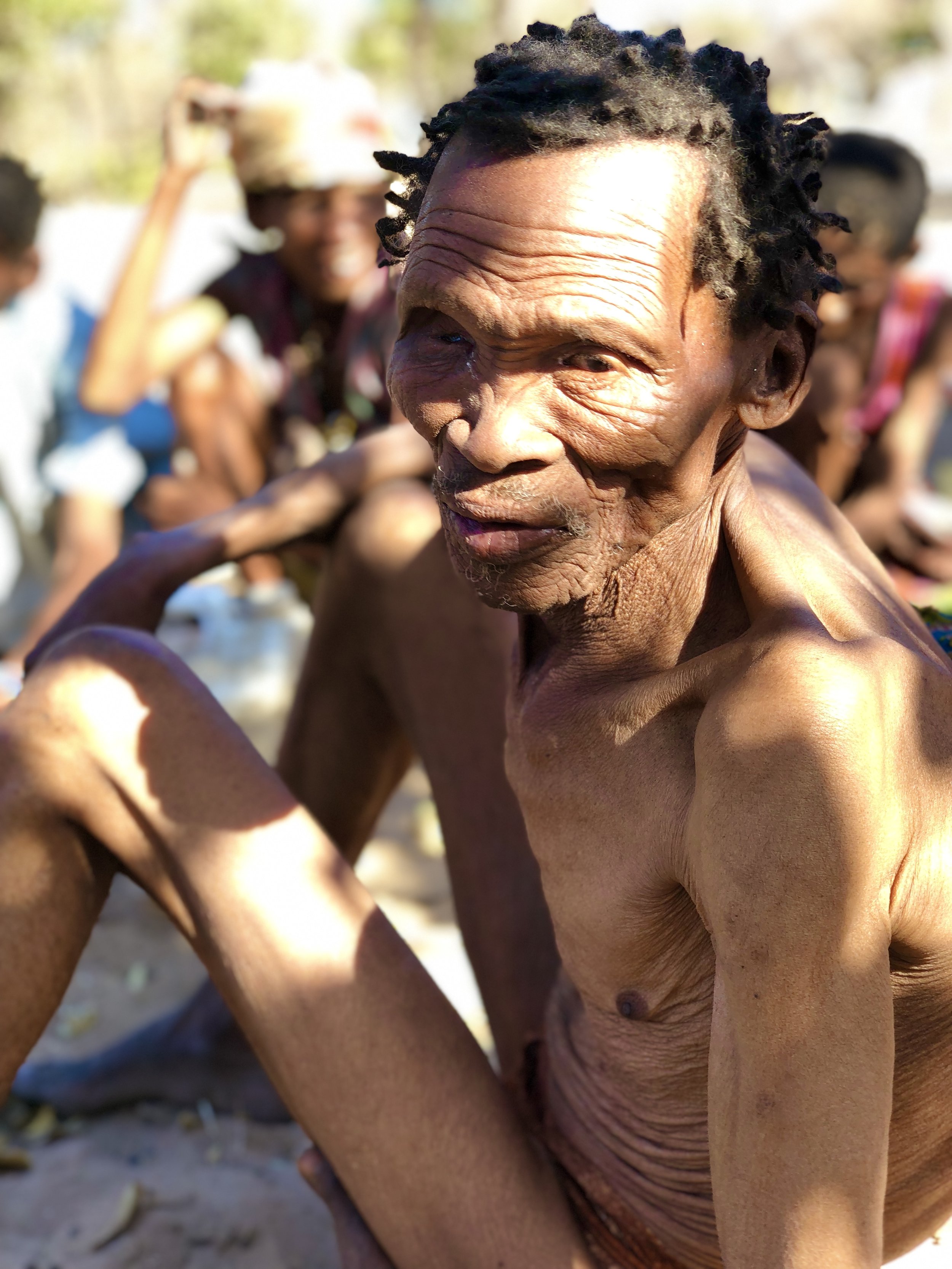
This is the Kalahari, and these are the world’s first people. They call themselves the Jo/‘hoansi, San, or Bushmen; by any name, they are bearers of a continuous culture that stems back hundreds of thousands of years to the first homo sapiens, the ancestors from whom we all have come.
Make no mistake, this is not Eden. It is not an untouched paradise. The miners, evangelists, loggers, distillers, soldiers, hunters, and slave traders have all left their mark here long ago.
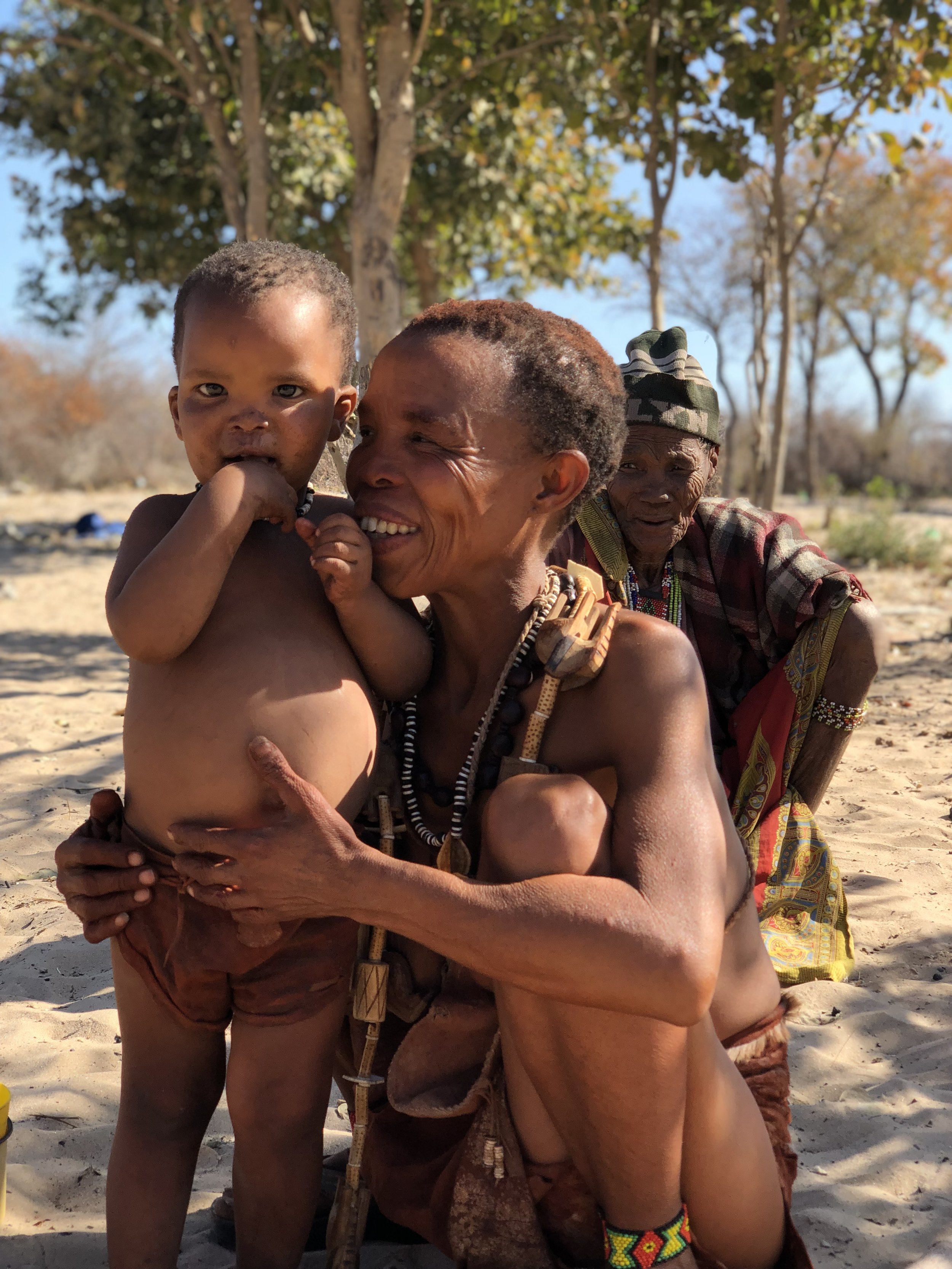
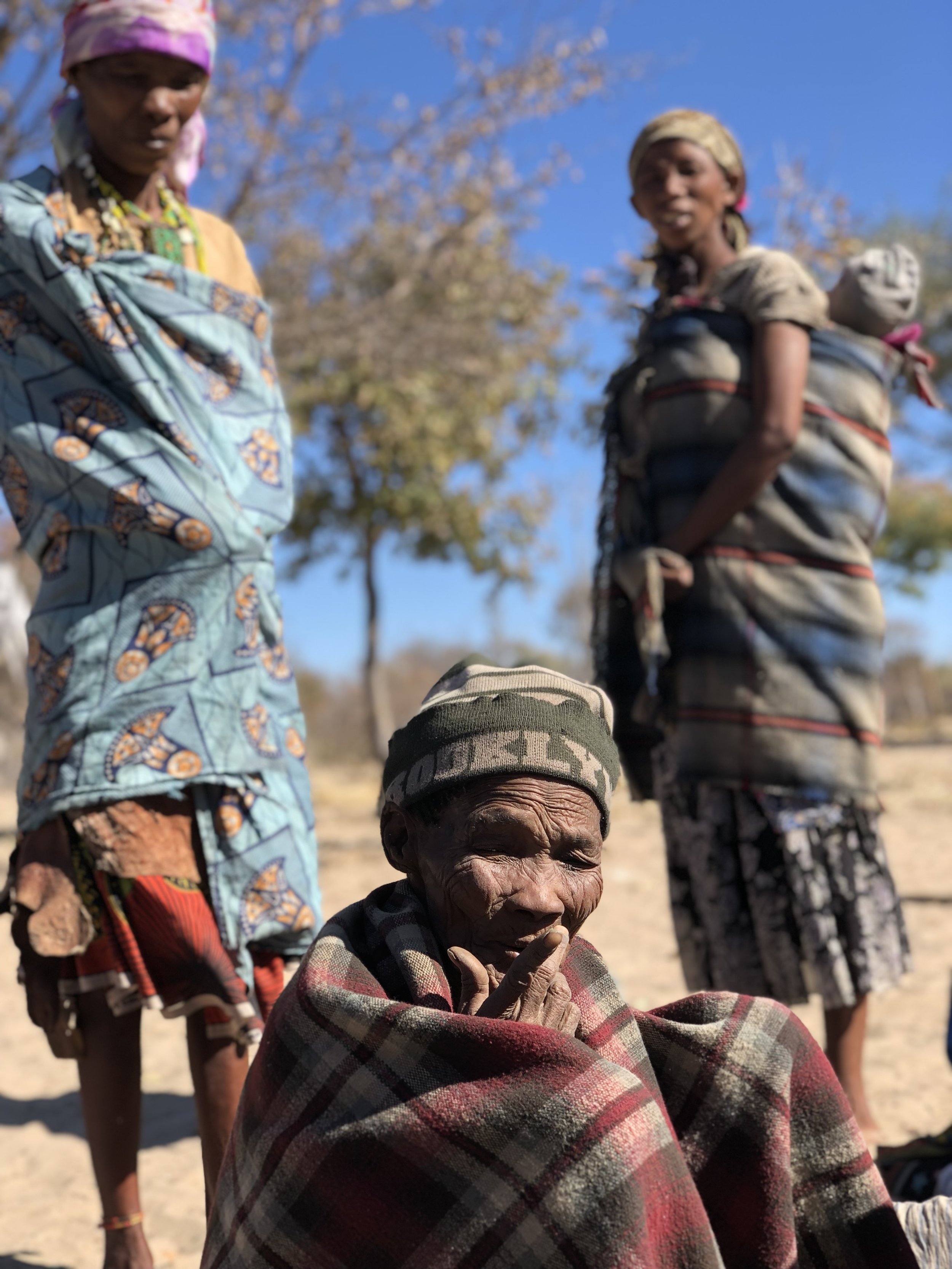
But the San, despite all that, seem to hold on to something essential. Something fundamentally human. There is suffering and hardship, to be sure, but there is also an irrepressible sense of vitality and freedom visible in the youngest child up to the eldest grandmother; it seems clear that they, more than most, know how to truly live.
In one of the world’s harshest environments, the San have achieved a feat that continues to elude our “advanced” societies to this day: they live in sustainable balance, a form of symbiotic harmony, not only amongst each other but also with the ecosystem of which they form a part.
They seem to exemplify a certain something; a way of perceiving nature, perhaps, or relating, or moving, but ultimately it is more than that. It is a way of being in the world, deeply human; an approach to existence that has been all but lost to those of us muddling our way through the bustle of modern life.
At Sapient we work to prepare you for a life-changing experience, fully immersed in the Kalahari. Our goal is to facilitate a journey through which we, together with the San, can take meaningful steps toward creating a life more deeply aligned with human nature.
Next trip: May/June 2026
Want to learn more?
Ready to go?
In greater detail
-
Everyone, of course, will have their own answer to this question. Here’s ours: We are the product of billions of years of evolution, improbable conglomerations of atoms swirling about as this thing we call a “self.” Temporary beings more space than solid matter, biological miracles ultimately made up of the same stuff as rocks or stars, yet somehow endowed with a sense of identity, consciousness, emotion.
In the words of Terrence Mckenna, “Life is a mystery suspended between two eternities.”
How can we make the most of the brief time we’ve been granted here? In various ways, with differing levels of awareness and commitment, we all ask ourselves versions of this question in myriad ways every day. And whether we know it or not, our lives are an unfolding answer; even as you sit here now reading this text, you are implicitly answering the question of how you should move, how you should eat, how you should breathe; how you should think and feel and relate. These are all of course components of the only question that matters to each of us in a fundamental sense, which is the question of how we should live our lives.
No matter how much we may avoid or delay engaging with this question, ultimately we will all be forced to answer it with naked and unforgiving honesty. Statistics suggest that roughly 75% of us won’t do this until we are on our deathbeds, when we are suddenly beset by regret for all the life we did not allow ourselves to live.
In some sense, though, mortality means that we are always already on the verge of dying; we are on our deathbeds already. It seems clear that it is in our best interest to grapple with the most basic question of our existence as fully and consciously as we are able, here and now. Memento mori.
By many standards “normal” life in the Western world isn’t going very well, or at least nowhere near as well as it could be; not for us as a species, and certainly not for the planet.
We’ve experimented with homesteading, regenerative farming, intentional communities, plant medicine, and a whole host of other strategies to try to create something more substantial than the standard fare.
For all that we may think or study or experiment, the San seem embody a finely-tuned and deeply compelling answer to the most fundamental question a person can ask: How should my life be lived?
Our work in the Kalahari was born from the belief that we cannot hope to live a full and meaningful life except by engaging in the world that surrounds us, and we cannot engage deeply in the world that surrounds us without being thrust at once into an experience full of richness and meaning. The San are in need of help, and so are we; as they teach and we learn, we support the ancient wisdom that is vital not only to their survival but to ours as well.
-
We currently offer an 8-day immersive experience in the Kalahari. We will live with the San, share with them and learn from them; push our limits, and explore the wilds of human nature.
Due to a variety of unpredictable conditions, including the spontaneous nature of the San themselves, this itinerary should be considered a rough sketch of probabilities rather than a firm outline of certainties.
Day 1
Arrive in Windhoek, Namibia.
Gear check.
Drive to San camp.
Day 2
Get settled in the environment.
Natural movement, sandal making.
Fire and evening activities.
Day 3
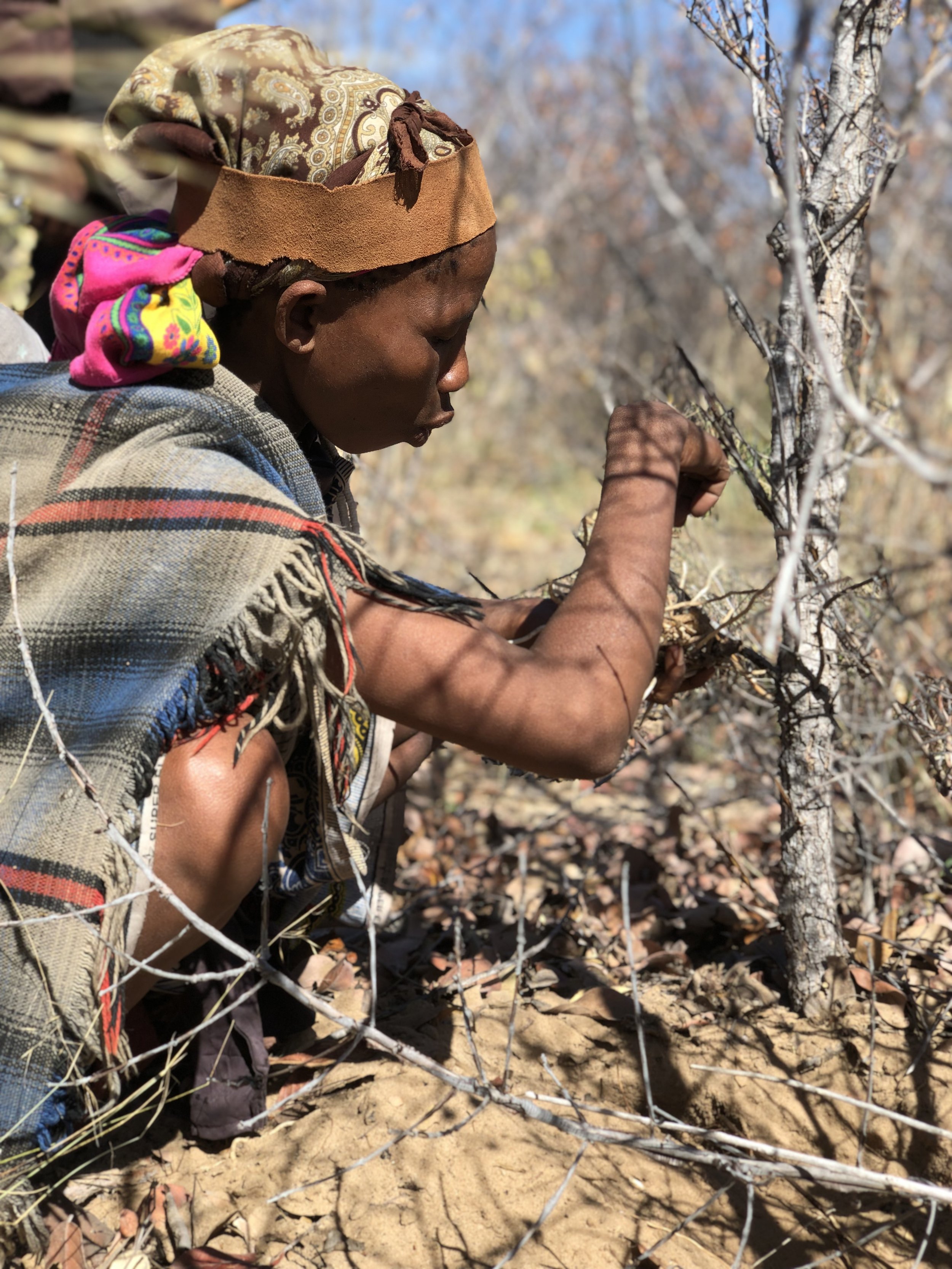
Bushwalk. Learn the plants and their uses; food, medicine, and tools.
Fire and evening activities.
Day 4
Bushwalk. Survival skills; tracking, trapping, and bushcraft.
Fire and evening activities.
Day 5
Tracking, hunting, and gathering; wild camping.
Night fire.
Day 6
Tracking, hunting, and gathering; wild camping.
Night fire.
Day 7
Tracking, hunting, and gathering; return to San camp.
Closing ceremony.
Day 8
Early morning return to Windhoek. Wildlife at dawn.
Option to fly out same evening, or spend a night in Windhoek.
-
If you feel called to join in this experience, the first step is to set up a conversation to discuss in greater detail what it is you’re looking for and what the trip might mean for you. Just as importantly, it is fundamental to us that each cohort fit together as a group, and this conversation helps us to ensure cohesiveness.
After that, a €1,000 deposit reserves your space.
You will begin an optional but highly recommended adaptation program at least one month prior to your journey free of charge. This will help smooth the transition into San culture and the Kalahari environment. Topics covered include: mobility and movement; minimalist walking and running; using hormetic stressors such as heat, cold, breath, and fasting to mimic San adaptations to the Kalahari; cultural awareness; immersion in nature; immersion in community. In some cases we may determine that the preparatory program is a prerequisite for participation.
You will be responsible for contracting your own insurance, making sure you meet the health requirements established by your home country for travel to Namibia, and booking your flight to Windhoek. Once we are in country, all transportation, food, and other essentials are included in the cost of the journey.
The remaining amount of €1,700 is due two weeks prior to landing in Windhoek
Background
The most urgent problem the San face, in their words, is that the younger generations don’t want to learn the old ways. They’ve seen enough of the power of modern technology to shake their faith in the elders’ wisdom, and many of them find themselves stuck in a middle ground, not fully rooted in the land but still impossibly distant from the prospect of integrating into the local economy, which is barely functional at the best of times.
Now traditional models of aid or charity would ask you for donations to “lift them out of poverty” or some such thing. Our approach is different. We started by asking them what they need.
They have asked us to bring people from around the world who want to learn, to share in their knowledge and their traditions.
It’s not a simple matter of preservation, of keeping them locked in some kind of time capsule; it’s a matter of engaging, learning, surviving, sharing, and celebrating alongside them. It’s doing our part to help ensure that the traditional ways of tracking, hunting, gathering, and bushcraft can continue to provide a future for their people, just as they have always done.
To be clear, there is no going back in time. A fully nomadic existence of hunting and gathering is no longer possible in the Kalahari. What the San need — what they’ve asked us to help create — is a new way forward. A means of revitalizing their culture so that it can thrive under the impending pressures of development that threaten from all sides.
When we come to learn from them, their traditional practices can give sustenance not just from the nutrients directly ingested, but also by providing a source of income and perhaps more importantly a clear sense of the vital role these traditions play in tying us to each other and to the earth that sustains us.
Join us for a journey to the Kalahari and help ensure that the world’s next humans can continue to live with the sapience that has guided our species from the time it was born.
FAQ
-
This is not a choreographed trip with a prescribed trajectory and predetermined conclusion. The San do not work like that, and neither do we; each person’s experience is unique, and necessarily so. Our job is not so much to provide answers as to facilitate the deep exploration of well-formed questions. What you get out of the experience will be in direct proportion to the energy and awareness that you dedicate to it. Set up a call with us to discuss these matters further.
-
100 years ago, the answer would have been an unequivocal yes. In today’s reality, however, San culture is in danger of annihilation from outside forces; they have asked us to come and support their struggle for survival. By all means, argue with the mining companies, moonshiners, and evangelists if you want to, but please don’t give us ill-informed sermons about preserving the pristine nature of the Noble Savage. We are committed to learning, respecting, and supporting the traditional ways of the San people in close collaboration with them; we do our utmost to make our presence a counterpoint to the destructive forces that encroach on their lives with increasing voracity. Collaboration, support, questions, and insightful criticism are welcome from anyone with an interest in making the world a better place.
-
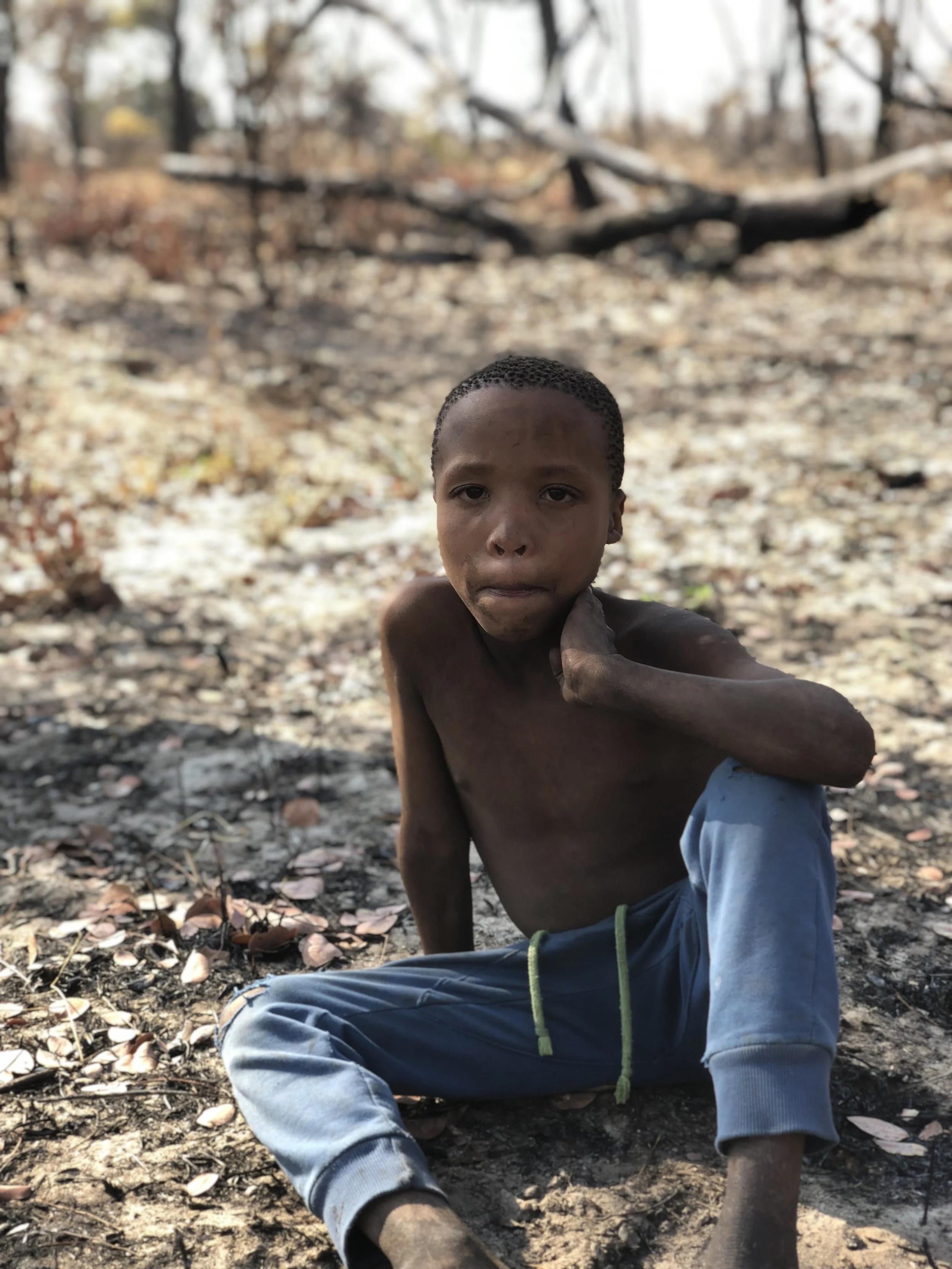
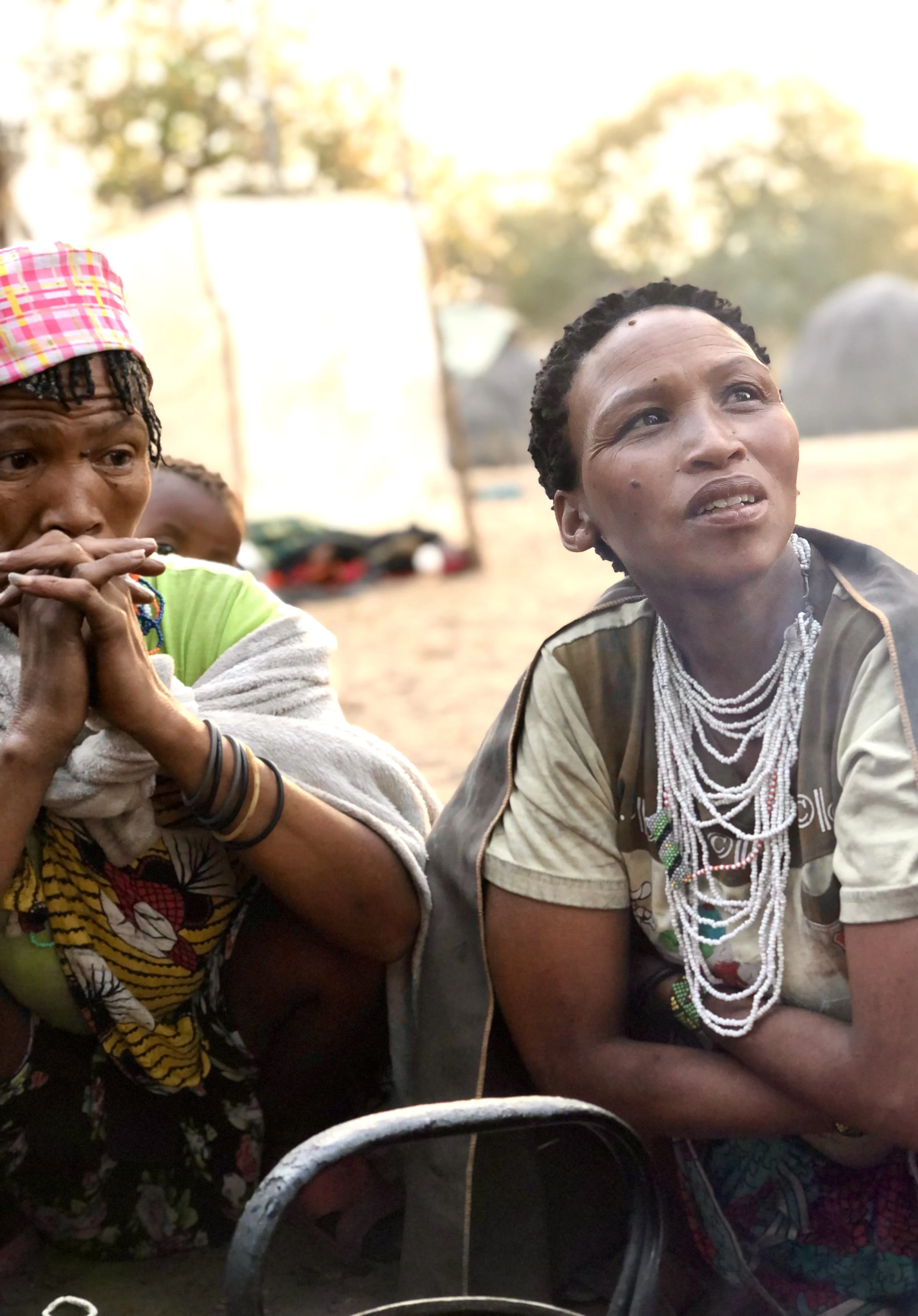
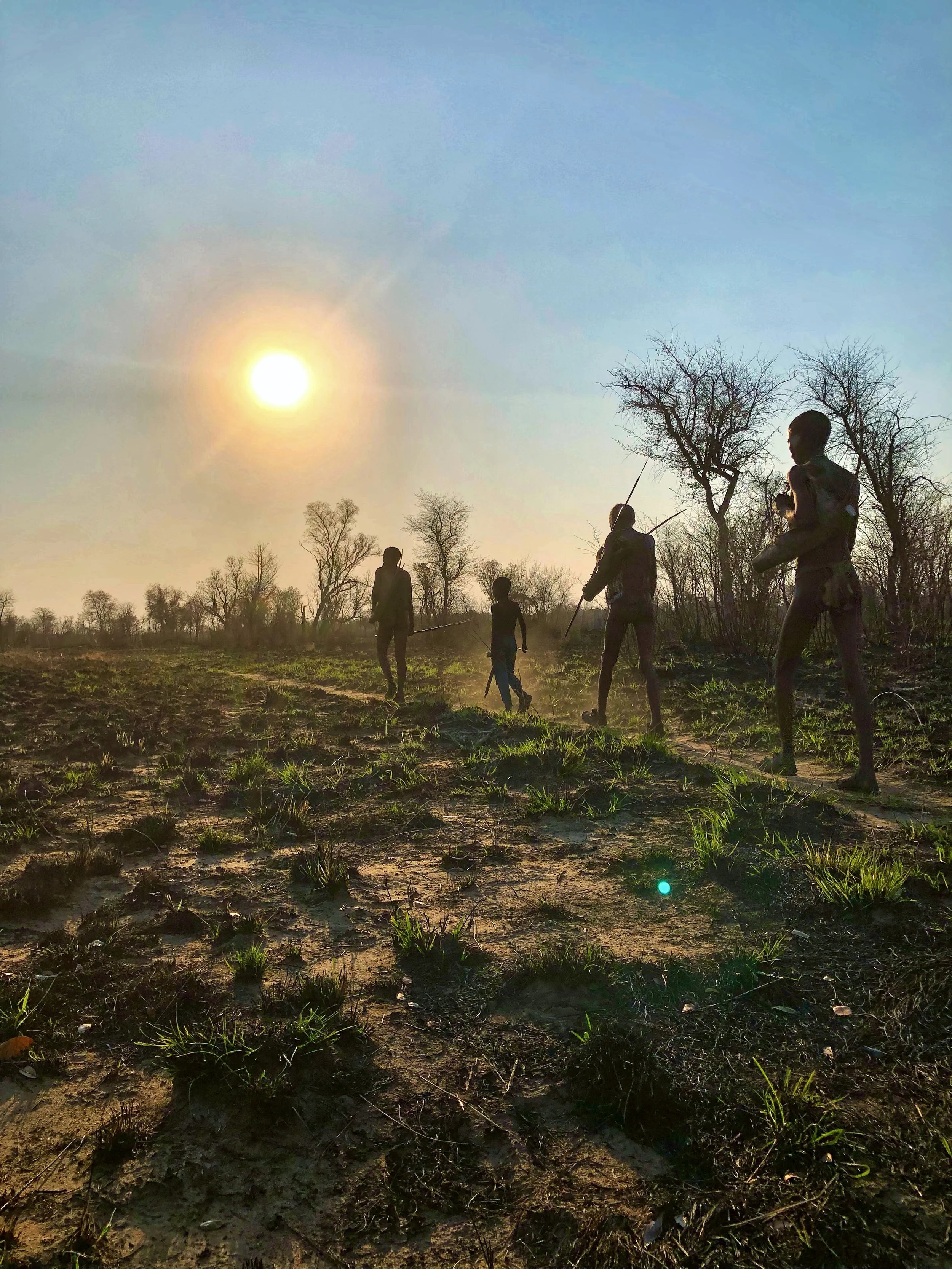
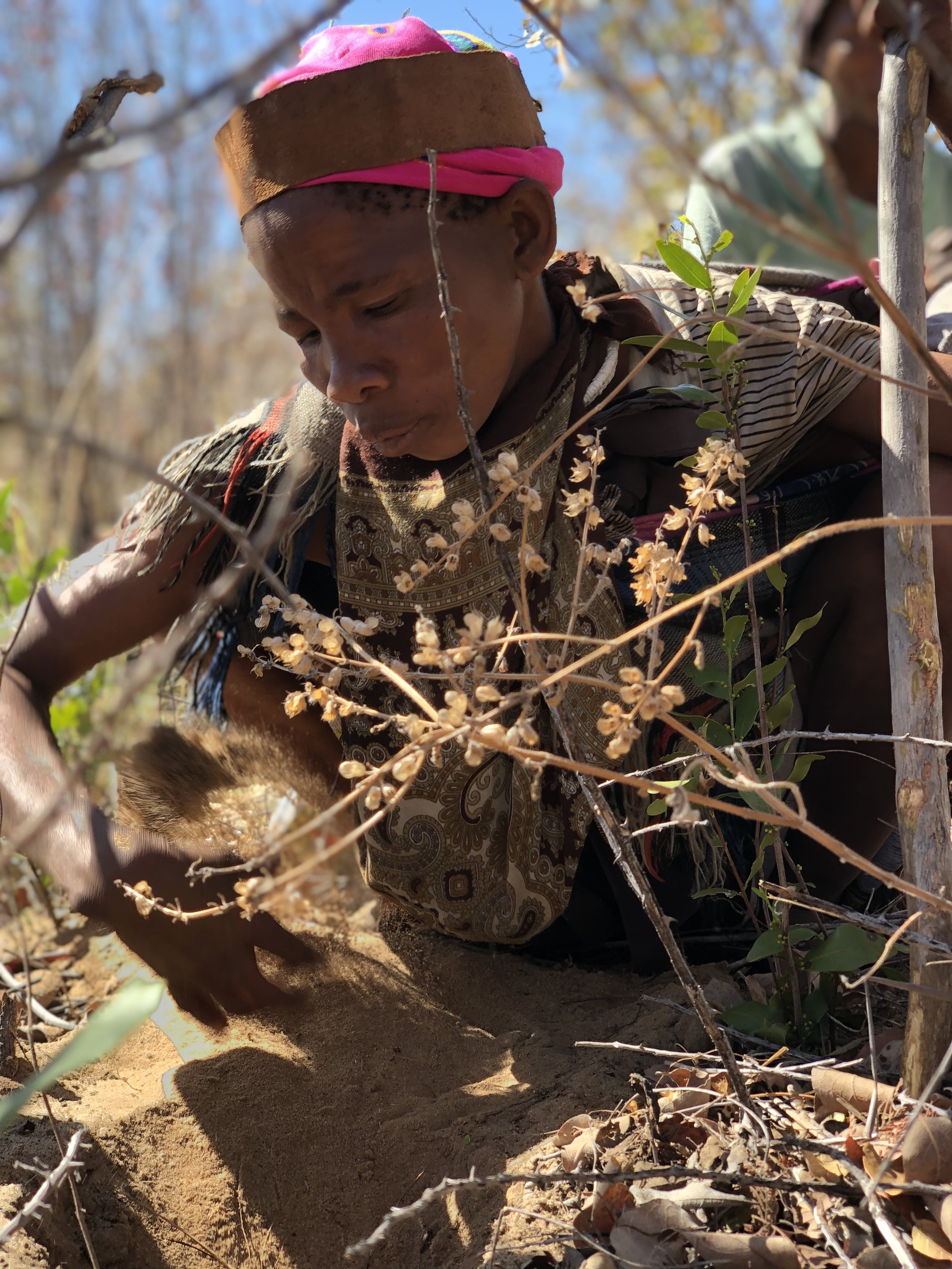
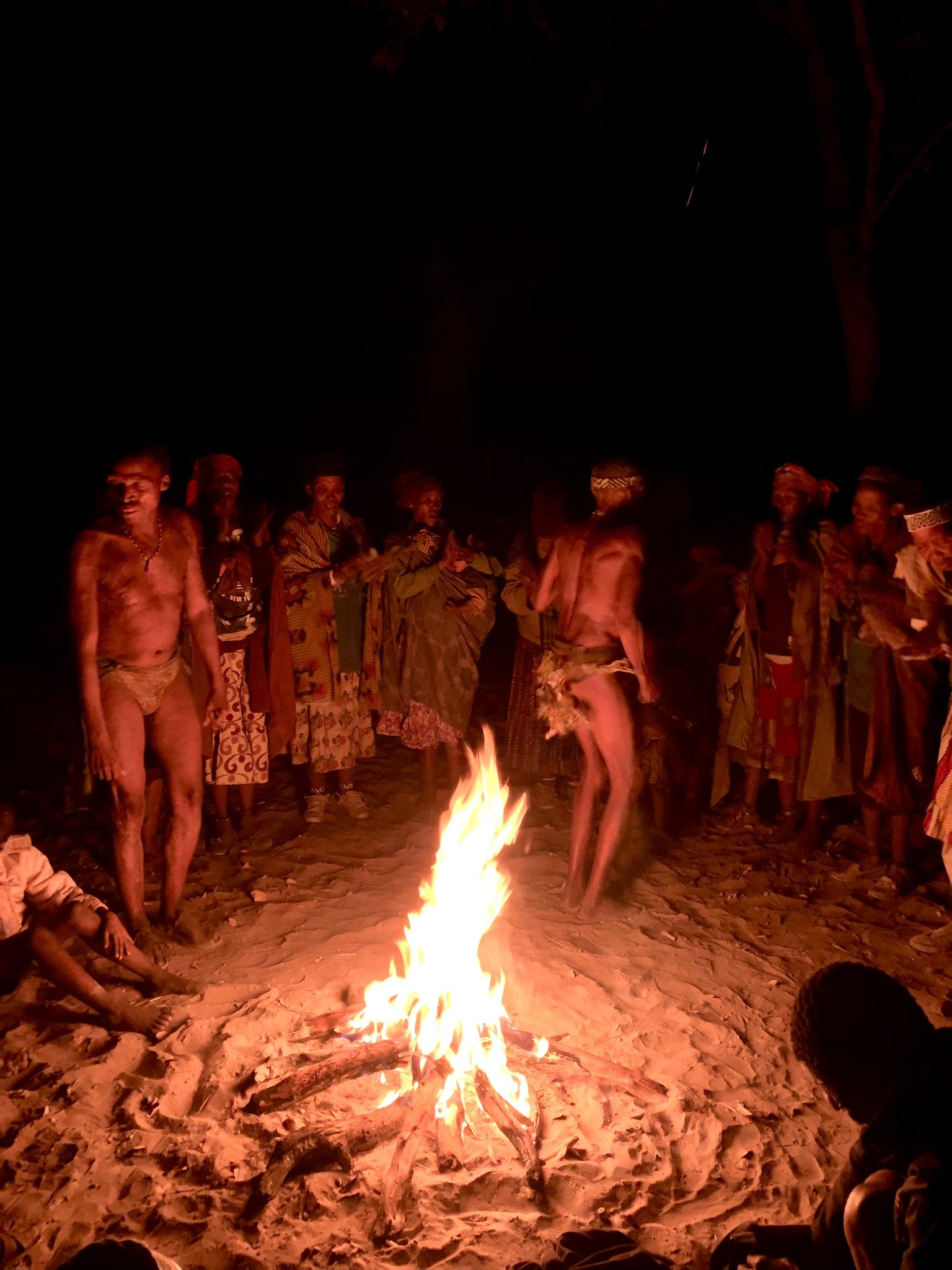
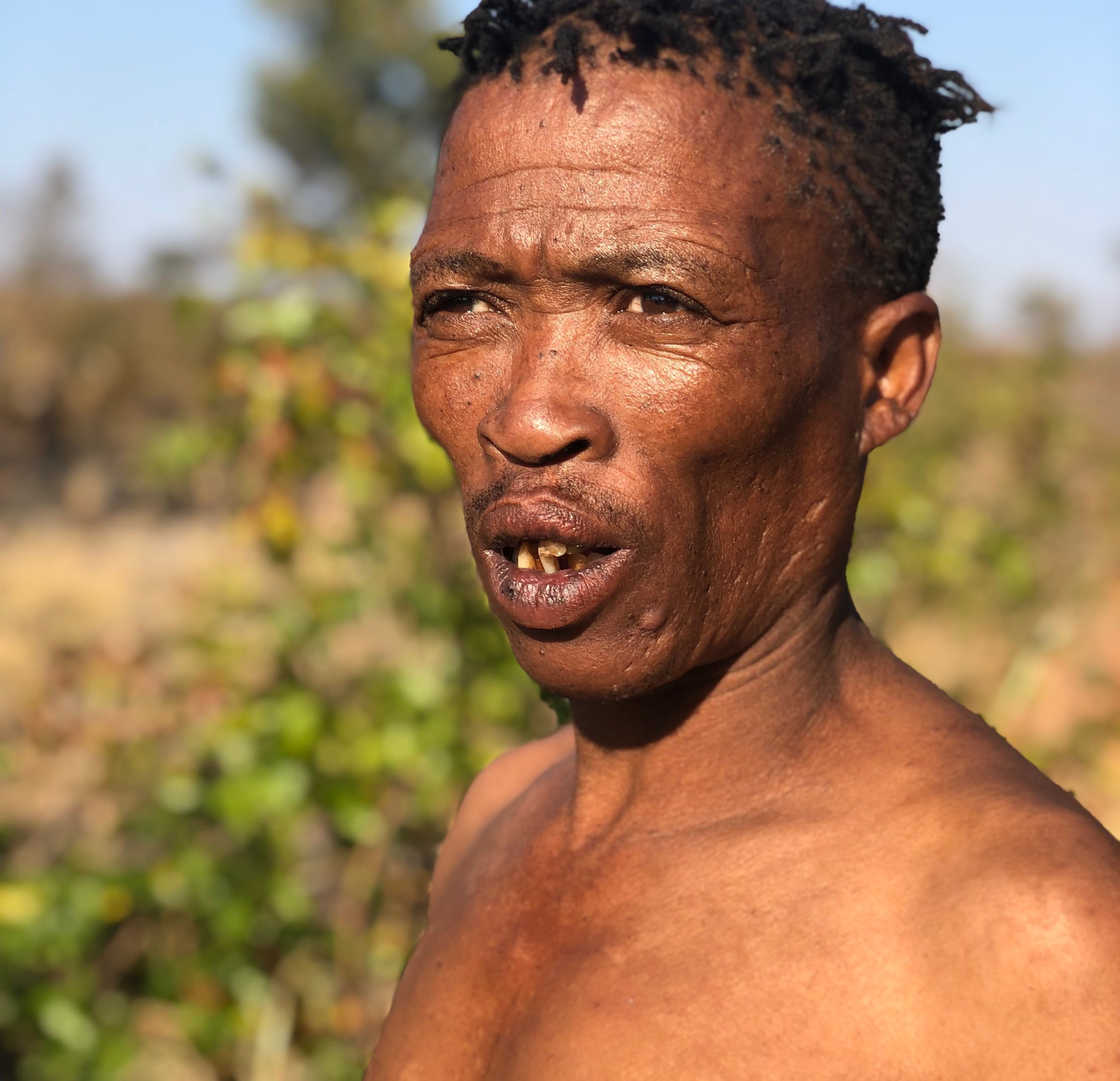
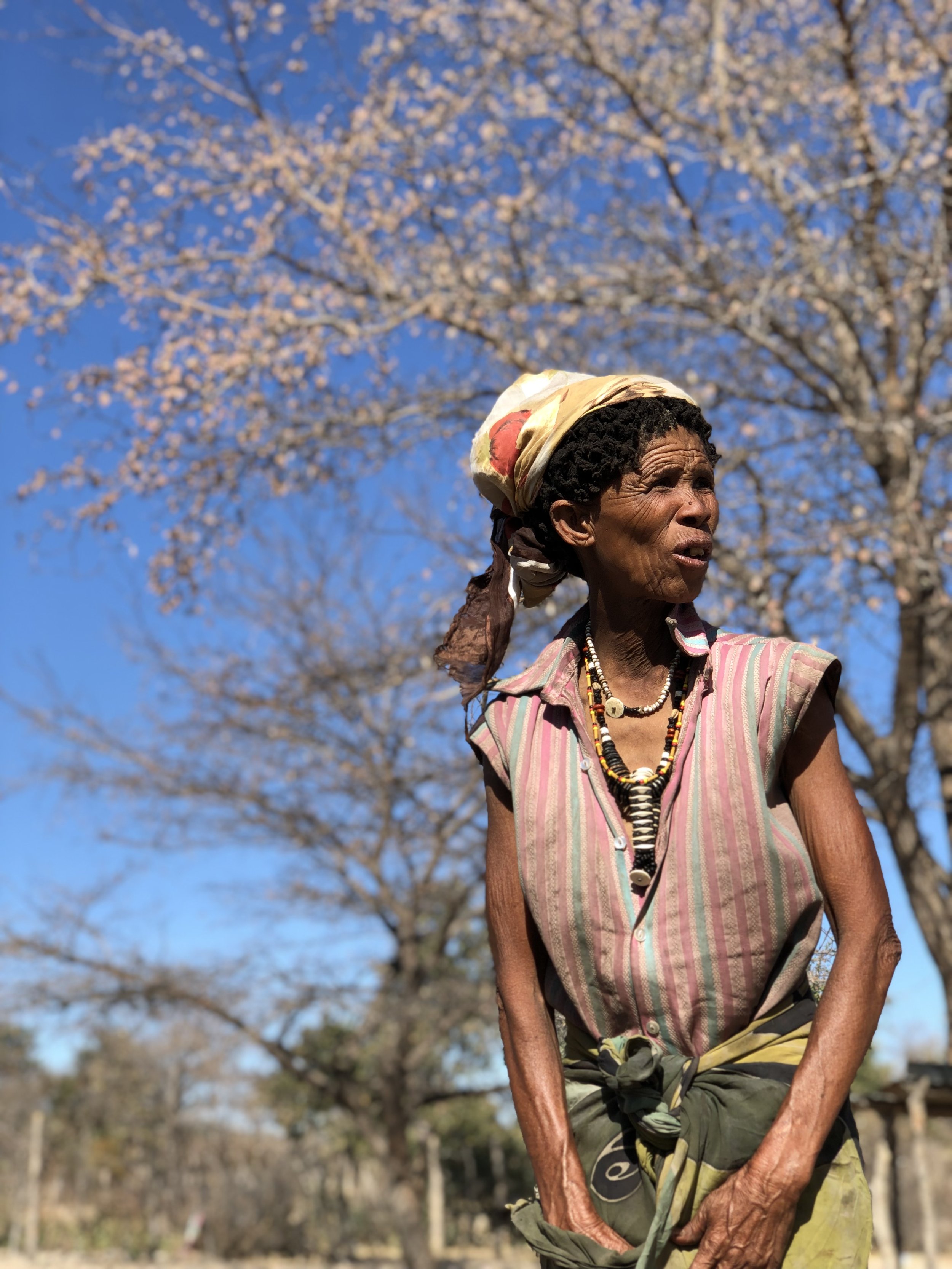
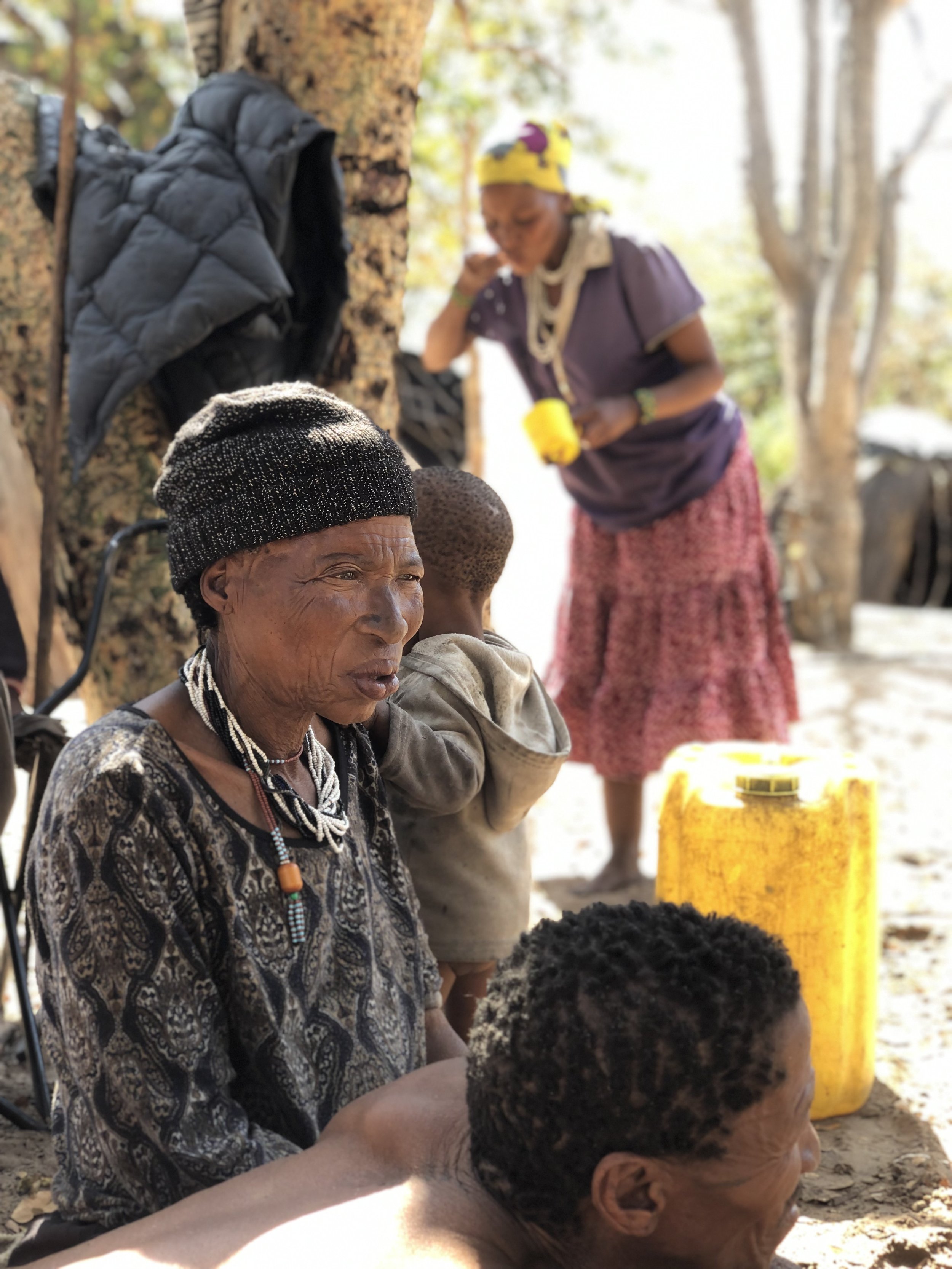
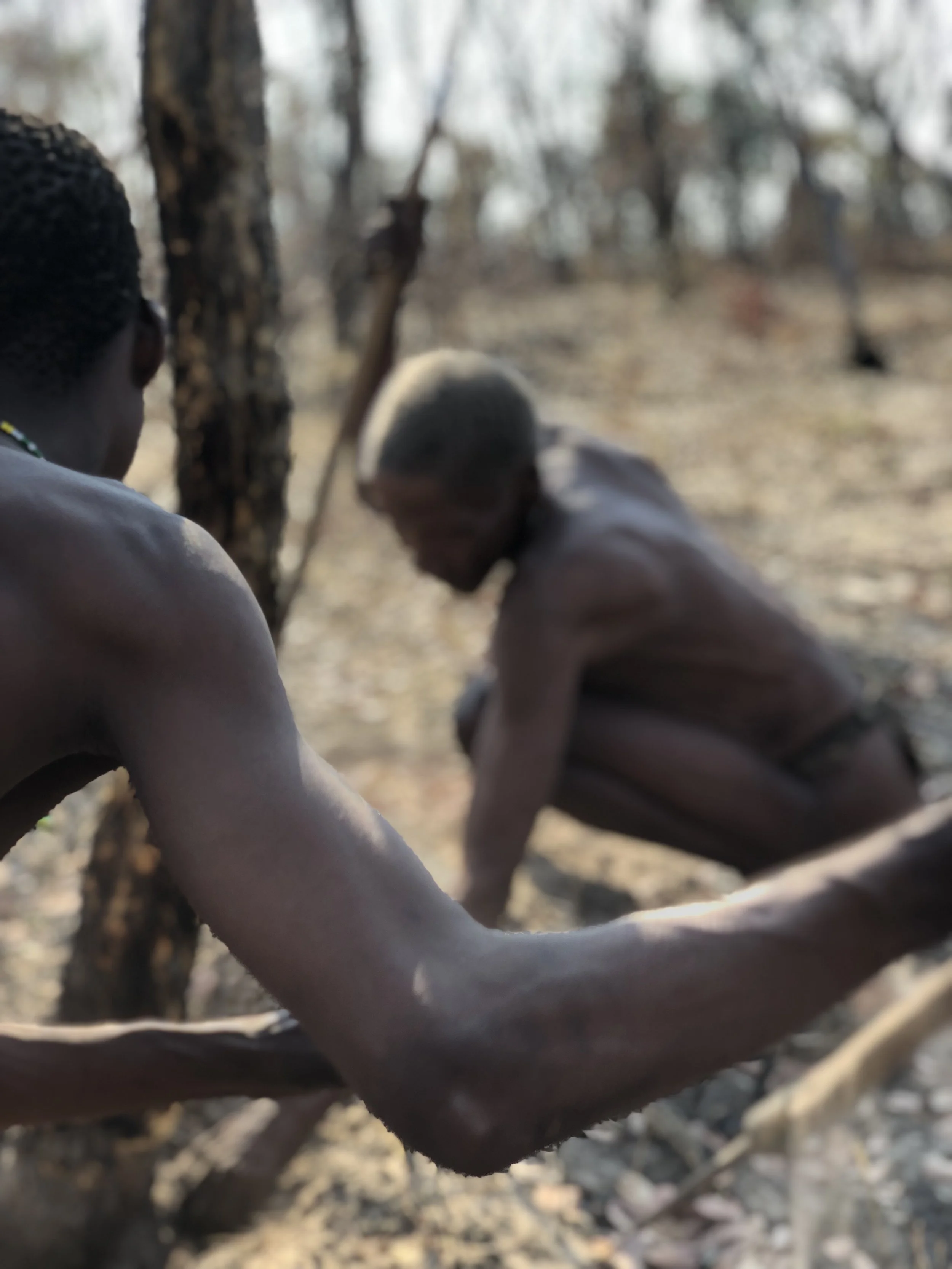
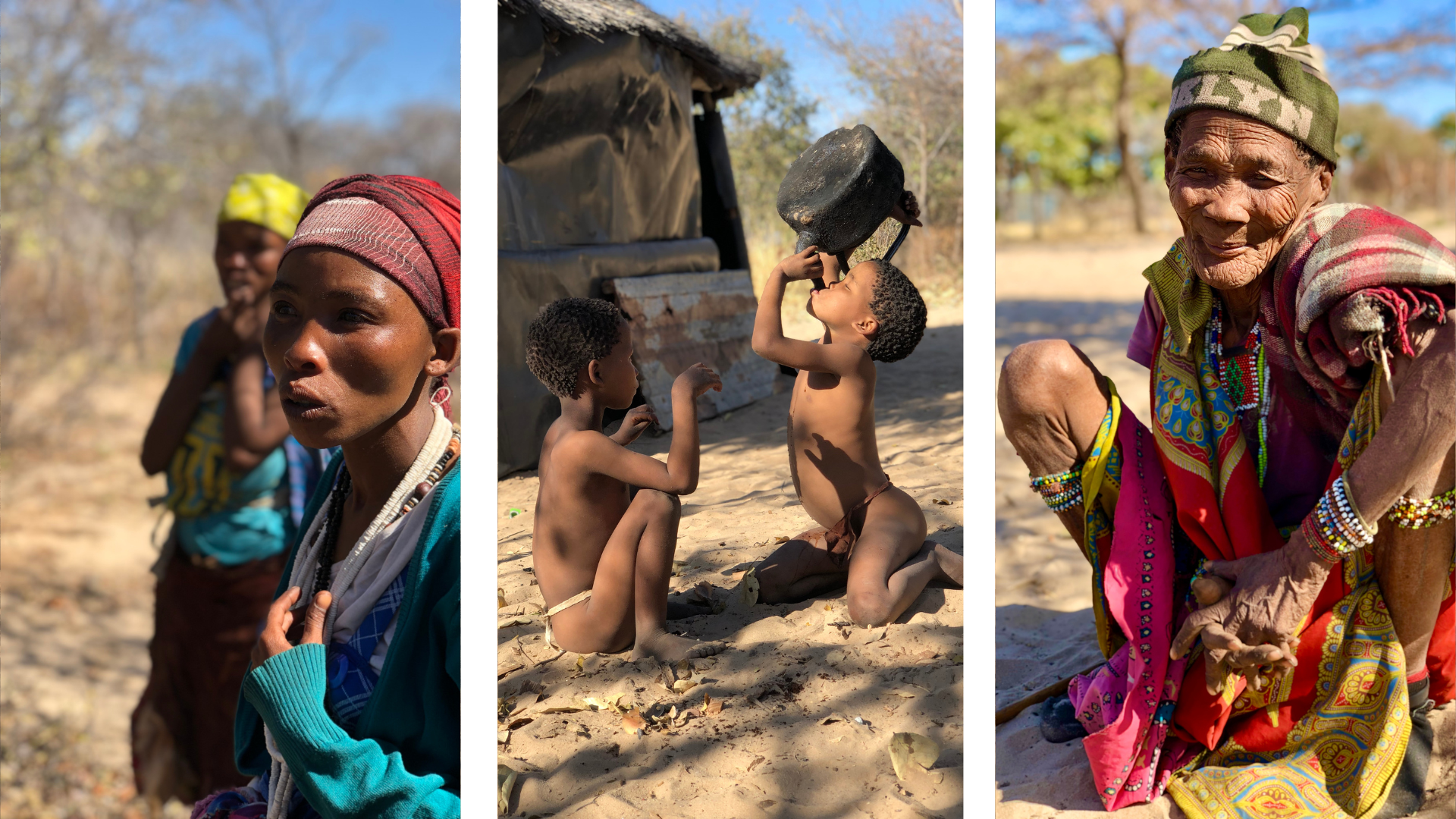
All photos were taken with the express consent of the subjects, and are used here with their permission. They were taken in the Nyae Nyae area of the Kalahari by Eric Haas, the president of Sapient.
We are well aware of the long history of fetishizing the San, creating a fanciful image of mysterious beings inhabiting an inaccessible world, a sort of desert Eden full of exotic Adams and Eves somehow always just beyond reach, flitting amongst the shadows of the Kalahari dusk.
From tattered colonial texts to Hollywood blockbusters, there is an unfortunate tradition of confusion, misunderstanding, exploitation, and downright lies, almost always to the benefit of outsiders and the detriment of the San themselves.
We, like many generations before us, are deeply curious about the world’s first humans, the people from whom we all have come.
By collaborating with local San villagers on a project that they have asked us to help them create, we hope not only to avoid repeating but also to ameliorate some of the immeasurable harm that outsiders have inflicted — and continue to inflict — on the San. The best safeguard against this special blend of brutal naivety seemingly endemic to our species (extending far deeper than colonialism, far wider than the West) is clear and constant communication with the villagers themselves. We strive continually to make our collaboration as robust as possible, with the ultimate aim of nurturing a self-sustaining project that the San can run entirely by themselves.
-
At bare minimum you need a healthy capacity for comfort with discomfort. The Kalahari is not a particularly hospitable environment and our goal is not to import our habitual luxuries into it; on the contrary, our goal is to adapt as fully as possible to its unforgiving and unpredictable nature. We highly recommend that you join us for at least one month’s preparation beforehand — at no additional cost — to get both mind and body ready for the rigors of Kalahari life. These details are best discussed in our preliminary call.
-
As of Spring 2023:
36% goes to pay the people who will be teaching, guiding, and hosting us in country.
44% goes to cover the costs of food and transportation.
15% goes to a community fund that is used to finance larger-scale initiatives.
5% goes to help cover the administrative costs of Sapient.
We are a non-profit organization that runs on the generous donation of time, effort, and money of committed individuals from around the world; we are grateful for support and welcome collaboration in many forms. Please be in touch if you’d like to discuss these matters further.
-
Generally speaking, no. Depending on where you live, however, requirements will vary. It is your responsibility to research your individual situation and take the precautions necessary. Feel free to contact us for further details.
-
You will need to contract travel insurance that covers hospitalization and medical services. Options vary widely depending on your home country and it is your responsibility to do your research; you will not be allowed to participate in a journey without proof of relevant coverage. Feel free to contact us for further details.
-
If you’re ready to go, you’ll need to set up a call with us. We require preliminary interviews to ensure that each group is as cohesive and robust as possible. Go here to get started.